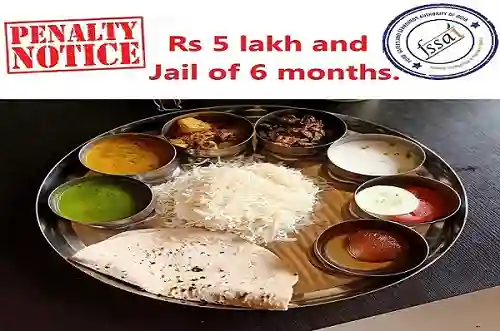
Selling homemade food may look like a small and harmless business, but in India it is regulated under food safety laws. Many home chefs, cloud kitchens, and small food sellers are unaware that selling food without a valid license can attract a penalty of up to Rs 5 lakh. This blog explains the rules, risks, and legal steps in a simple and beginner-friendly way.
📜 Why Is a Food License Required?
Food safety laws exist to protect consumers from unsafe and unhygienic food practices.
- Ensures food hygiene and quality standards
- Protects public health and safety
- Builds trust between food sellers and customers
⚖️ Which Law Applies to Homemade Food?
Homemade food businesses are governed by the Food Safety and Standards Act, 2006.
- Applicable to home kitchens, tiffin services, and cloud kitchens
- License or registration is mandatory before selling food
- Rules apply to both online and offline food sales
💸 Rs 5 Lakh Fine Explained
Selling food without a valid license can result in heavy penalties and legal action.
- Fine can go up to Rs 5,00,000
- Food business may be shut down immediately
- Repeat violations can lead to prosecution
👩🍳 Who Needs a Food License?
Any person selling food for profit must comply with food licensing rules.
- Home chefs selling via WhatsApp or Instagram
- Tiffin services and meal providers
- Cloud kitchens and online food sellers
🧾 Types of Food Licenses Available
The type of food license depends on turnover and scale of the food business.
- Basic Registration for small home-based sellers
- State License for medium-sized businesses
- Central License for large or multi-state operations
🖥️ How to Apply for a Food License
Applying for food license is now simple and mostly online.
- Apply through the official food safety portal
- Submit ID proof, address proof, and kitchen details
- Receive license after verification
🎯 Government Benefits of Having a Food License
A valid food license offers multiple legal and business advantages.
- Protection from fines and legal notices
- Eligibility to sell on food delivery platforms
- Increased customer trust and brand value
✅ Final Conclusion
Selling homemade food without a license can be risky and expensive, but compliance is easy and affordable.
- Rs 5 lakh fine can be avoided with proper registration
- Food license ensures safety, legality, and growth
- Always start your food business the right way