Boost Your Business Reputation withISO Certification Today!
Published By e-startup | Update on: 20-February-2026 06:33:48 AM | 3 Minutes Read
ISO Certification boosts business credibility, ensures global quality standards, improves compliance, and enhances customer trust worldwide.
Our ISO Service
ISO 9001:2015
Non-IAF ₹1600/-
IAF ₹3000/-
ISO 14001:2015
Non-IAF ₹2000/-
IAF ₹4000/-
ISO 45001:2018
Non-IAF ₹3500/-
IAF ₹6500/-

ISO 22000:2018
Non-IAF ₹4500/-
IAF ₹8500/-
ISO 50001:2018
Non-IAF ₹9500/-
IAF ₹17500/-
ISO 27001:2013
Non-IAF ₹5500/-
IAF ₹10500/-
Simple & Fast Process
Show Your Interest on WhatsApp
Click the WhatsApp icon and start a quick chat with our expert team.
Send Your Documents
Share your business documents via WhatsApp or email.
Make Your Payment
Make a secure online payment to begin the certification process.
Get ISO Certificate
Receive your digital ISO certificate via email/WhatsApp within 0–1 working days.
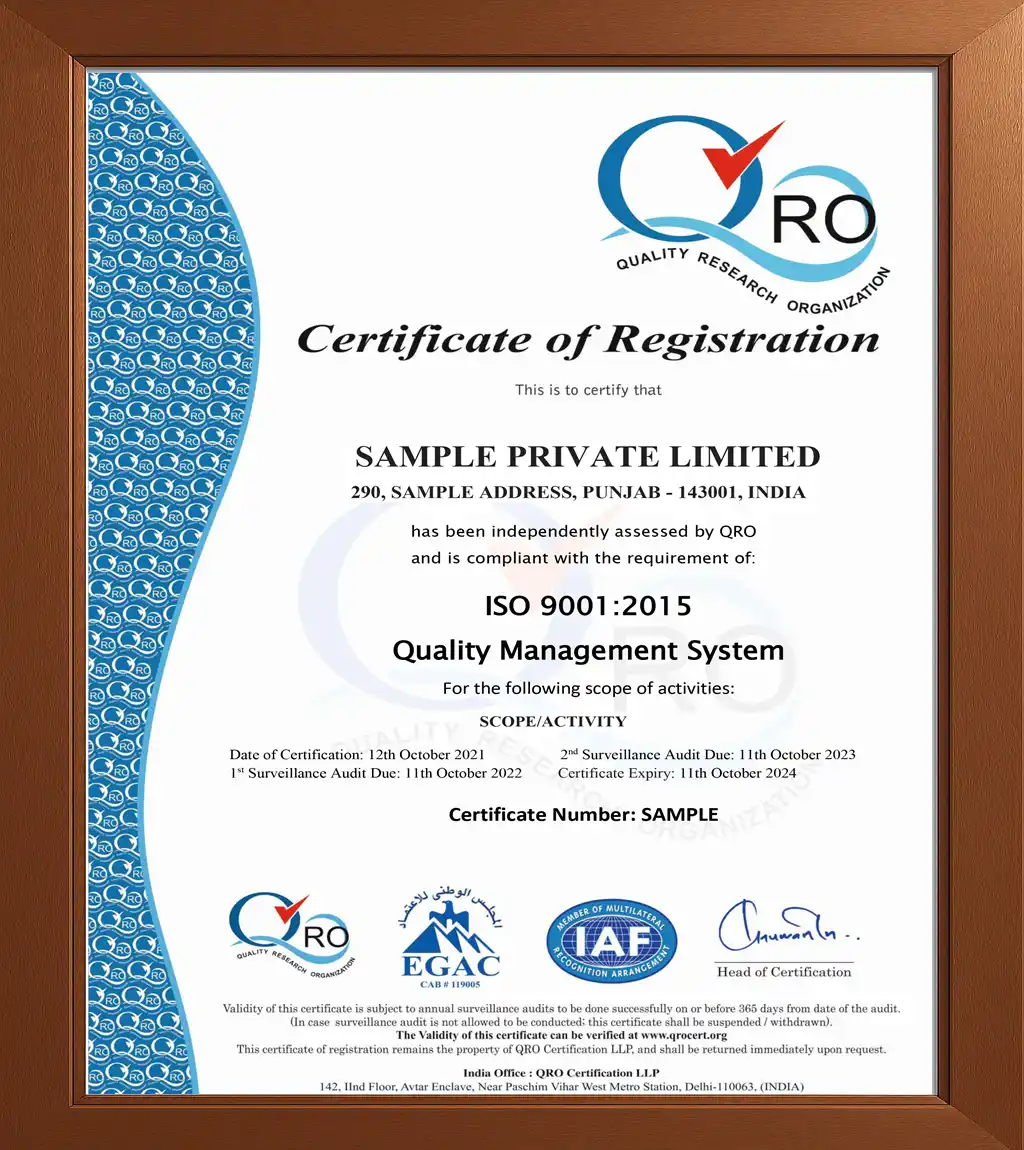
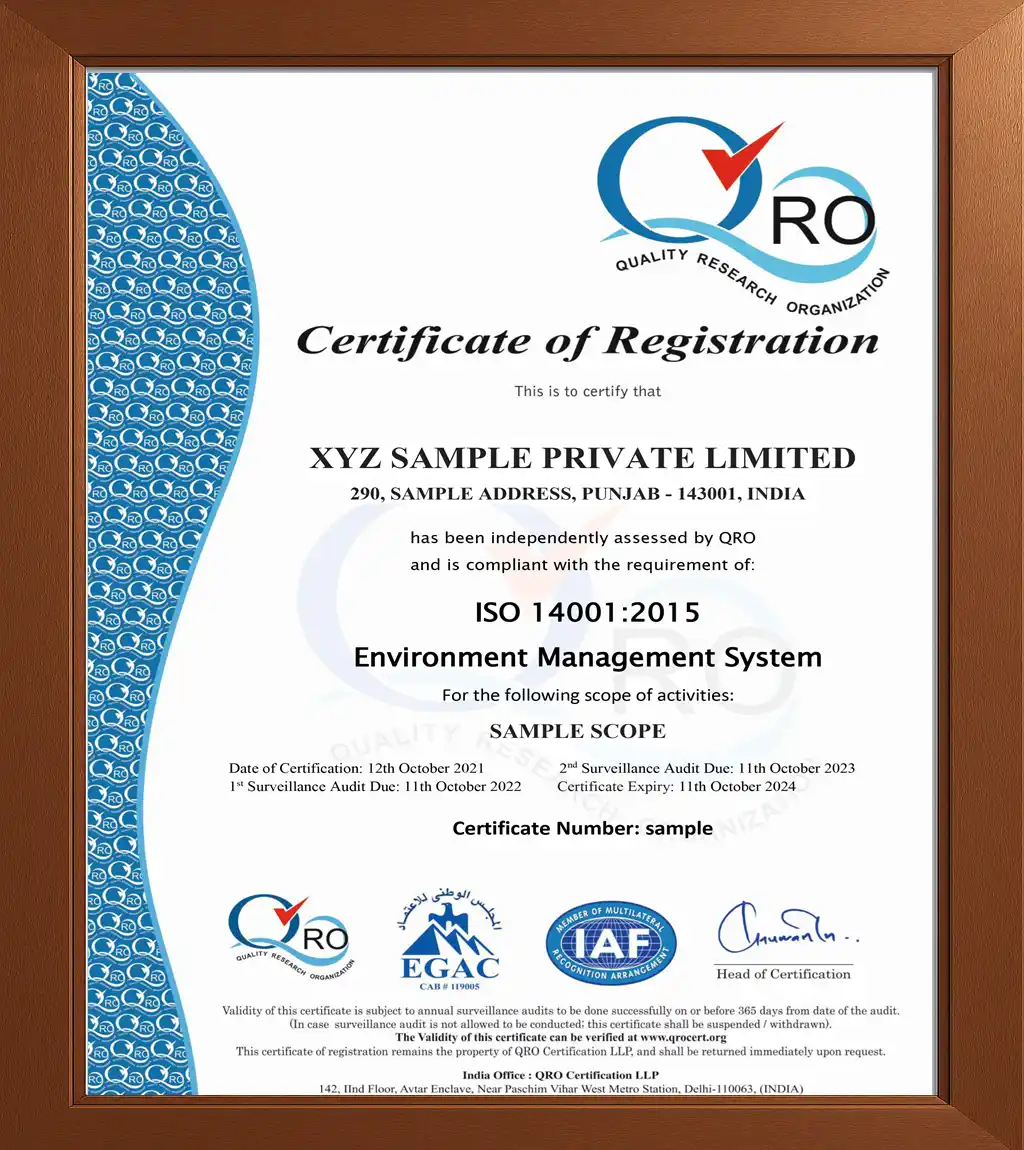
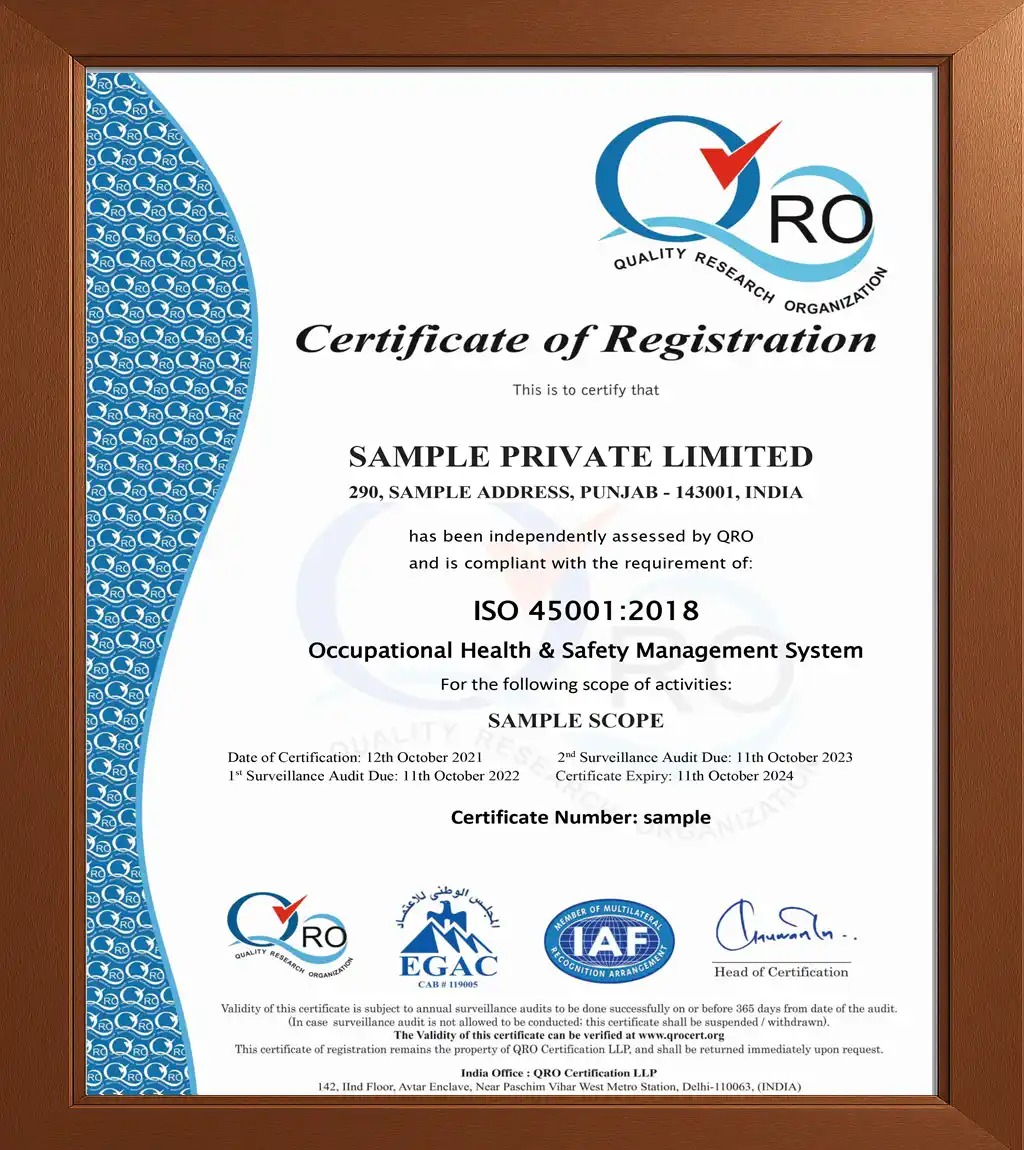
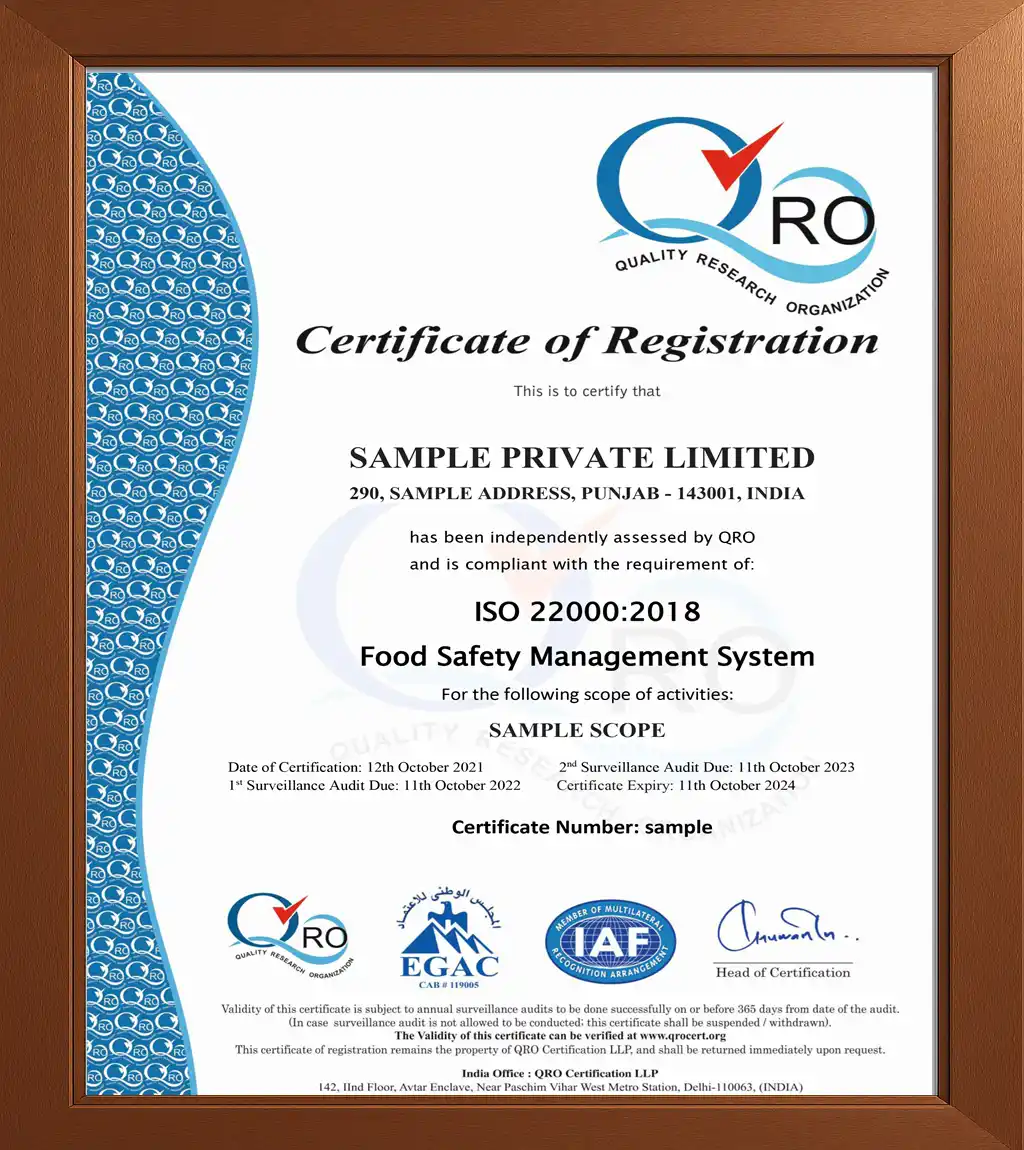
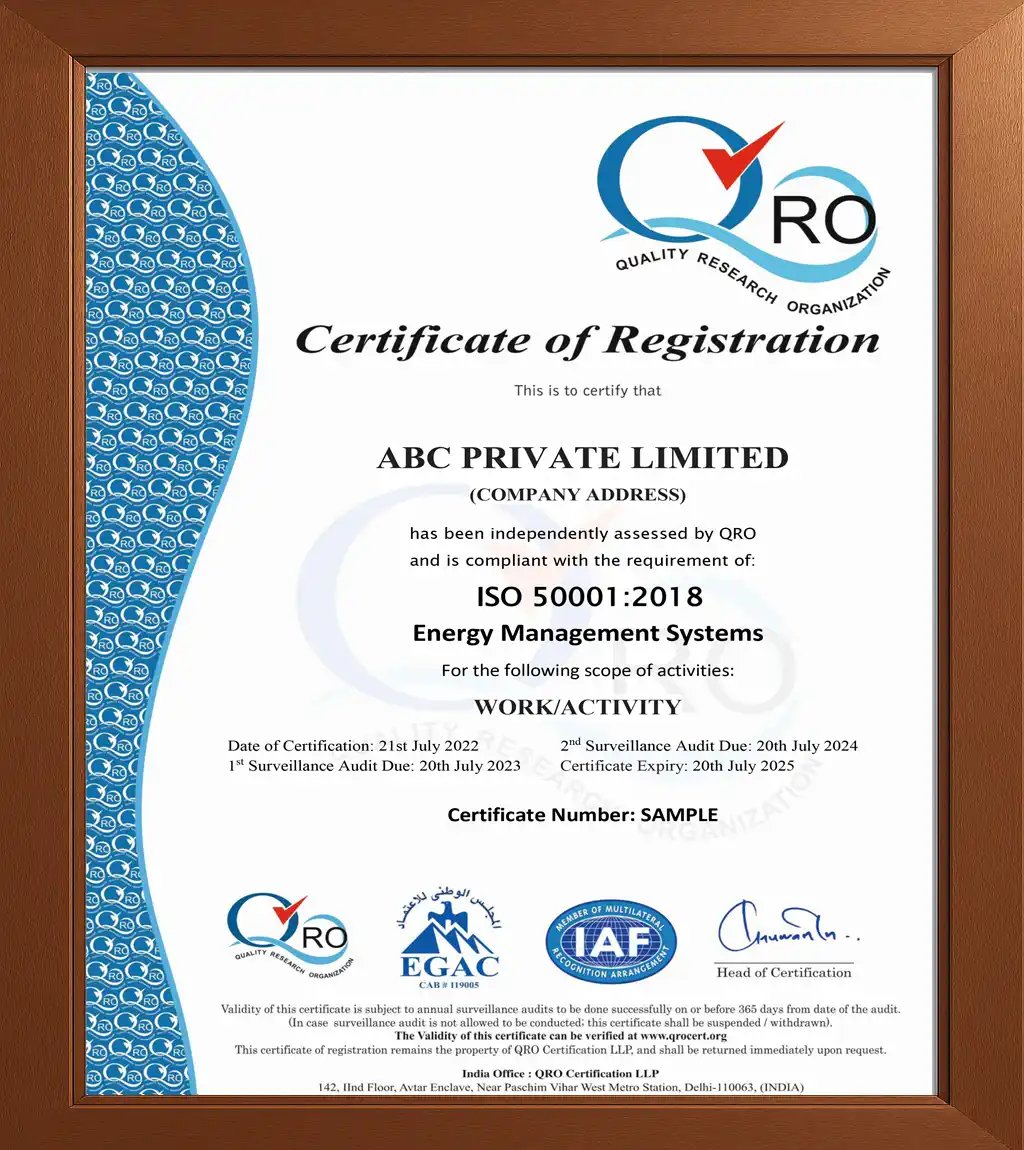
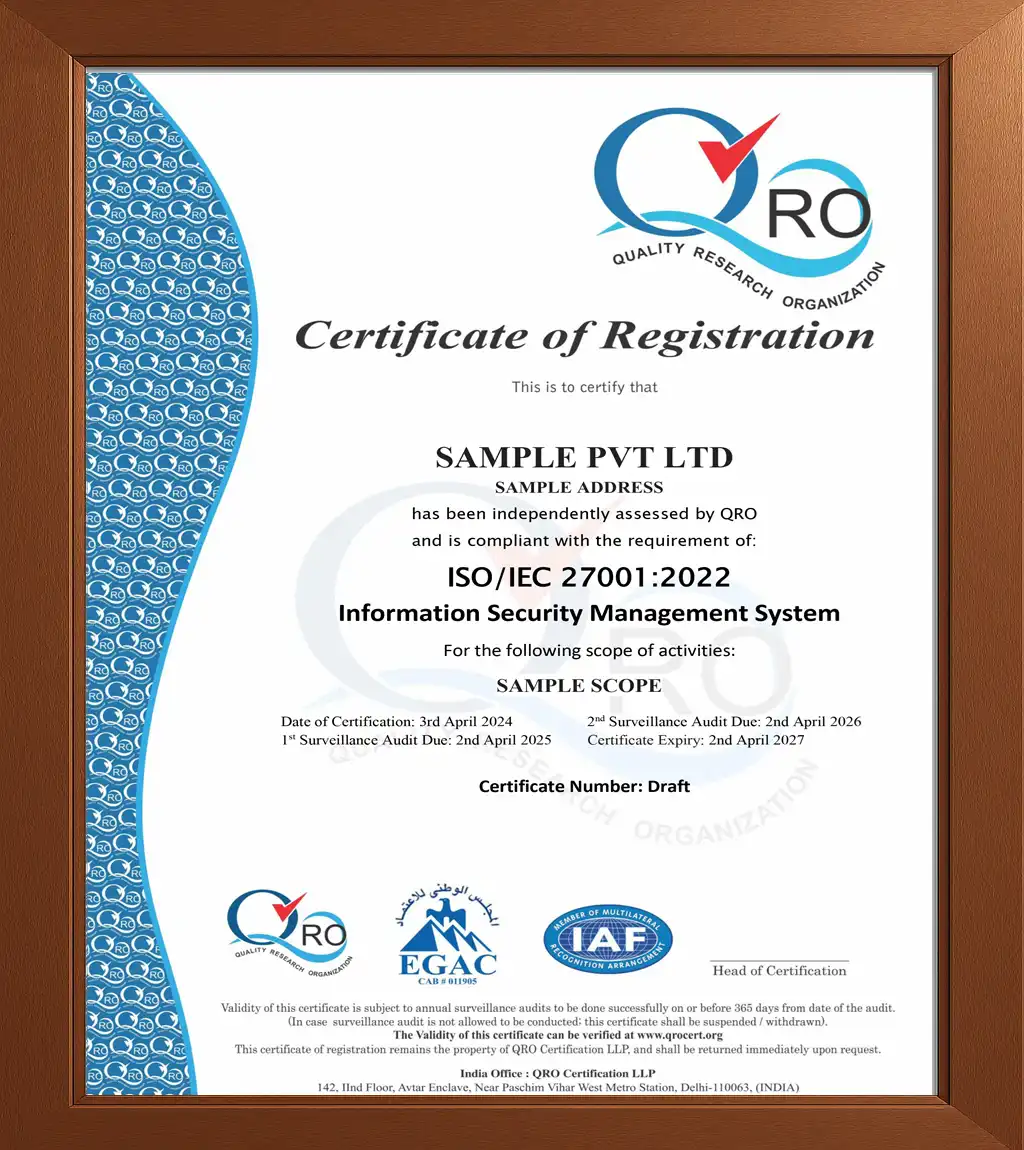
Sample ISO Certification
- 🥇 7 years of Experience
- 🥈 Lowest Price Guaranteed
- 🥉 Trusted by 5,000+ Businesses
- 🏅 Best Service, Hassle-Free Process
- 🏆 4.9★ Rated 126 Reviews
Table of Contents
🔍 Overview of ISO Certification
ISO Certification refers to the certification issued by the International Organization for Standardization (ISO), which is an independent, non-governmental international body that develops standards to ensure the quality, safety, efficiency, and consistency of products, services, and systems.
📢 Types of ISO Certification
When businesses seek ISO certification, it’s important to understand the difference between IAF and Non-IAF certifications. Both refer to how the certification is accredited, which directly affects its recognition, trustworthiness, and global acceptance.
1️⃣ IAF ISO Certification
IAF stands for the International Accreditation Forum – a global association of accreditation bodies and other organizations involved in conformity assessment.
✅ Features:
- ✔️ Certification is issued by a certification body accredited by an IAF-member accreditation body.
- ✔️ Recognized globally and accepted in tenders, government contracts, and international trade.
- ✔️ Carries higher credibility and trust.
- ✔️ Subject to stringent audit standards and periodic assessments.
2️⃣ Non-IAF ISO Certification
Non-IAF certificates are issued by certification bodies that are not accredited by any IAF-recognized accreditation body.
✅ Features:
- ✔️ Usually cheaper and faster to obtain.
- ✔️ Not recognized in international tenders, exports, or high-stakes contracts.
- ✔️ Might be accepted locally or for internal compliance only.
- ✔️ Lower audit rigor and questionable credibility.
💼 Documents Required for ISO Certification
- 1️⃣ Letterhead or Visiting Card of Company
- 2️⃣ Registration proof of company ( Like, PAN Card, Certificate of Incorporation, GST Certificate, Trade License, Import export License, Trademark, Shop establishment, MSMEs registration )
- 3️⃣ Any two Purchase & Sales bills of any kind
- 4️⃣ Snap of company board and inside company photos and small video of working area
- 5️⃣ Old Certificates copy (if any)
🚀 Benefits of ISO Certification
- ✔️ Improved efficiency and productivity.
- ✔️ Market credibility and brand value.
- ✔️ Easier global market access.
- ✔️ Risk reduction and better management systems.
- ✔️ Greater customer satisfaction.
 Frequently Asked Questions
Getting ISO certified:
- Increases business credibility
- Improves customer confidence
- Required for government tenders and B2B contracts
- Enhances internal processes and quality control
We provide a wide range of certifications including:
- ISO 9001 – Quality Management System
- ISO 14001 – Environmental Management System
- ISO 45001 – Occupational Health & Safety Management System
- ISO 22000 – Food Safety Management Systems
- ISO 50001 – Energy Management Systems
- ISO 27001 – Information Security Management Systems
- And many more…

Success Stories & Reviews

Arpit Thakur
Chartered AccountantBest service provider Very fast service Very polite in nature Most important thing is that trustworthy Go for this guys.

Sk Maksud
BusinessmanVery hard working. As per their commitment certificate gives within 1 day. They have work at 1:34AM due to server was not working full day. Great Job.

Dev singh
AccountantHad a great experience delivered on time. Punctual and committed thank you very much.

Prasanth P Kumar
Administrative OfficerVery fast registration and cooperative dealing

Avijit Das
AccountantThanks ! Certificate received less than 24hrs. Great job done.

Rituraj Buragohain
BusinessmanVery happy with there service and with quick response. My work done with a day. I really appreciate your dedication.

Book Manier
BuisnessmanI greatly appreciate the sincere service. I will continue my contact with your firm. Thanking you.

Ramesh Kolte
BusinessmanTreated respectfully with prompt service
Why Do Customers Love Us?
Certified by
Registered firm you can trust for secure, authentic, and professional services.
Website Security
We use HTTPS and industry-standard security practices to help protect customer information during online interactions.
OnTime Service
Experience on-time service with fast execution, reliable assistance, and efficient solutions for your business needs.

Happy Customer
5000+ happy customers, one goal—helping your business stay healthy, compliant, and ready for growth.
Risk-Free Guarantee
Our risk-free guarantee ensures safe, transparent, and hassle-free services with 100% customer satisfaction.
Customer Reviews
Read genuine verified customer reviews to discover real experiences, trusted feedback, and reliable insights before choosing our services.
Our Trusted Partner