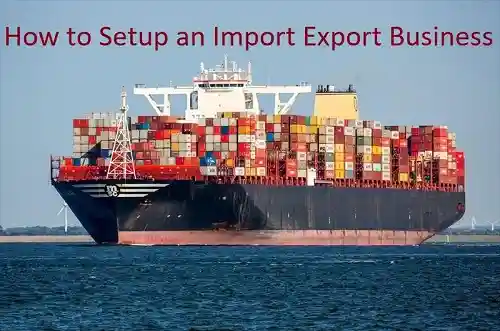
Starting an import export business in India is a smart opportunity in today’s global economy. With growing international trade, supportive government policies, and digital processes, anyone can start this business with proper guidance. This beginner-friendly guide explains the complete step-by-step process to start an import export business in India in a simple and professional way.
📘 Understand the Import Export Business
Before starting, it is important to understand how the import export business works and what products you want to trade.
- Import means buying goods from another country into India
- Export means selling Indian goods to foreign countries
- Choose products based on demand, profit margin, and regulations
🏢 Choose the Right Business Structure
Selecting a suitable legal structure helps in compliance, taxation, and business growth.
- Sole Proprietorship – easy to start and manage
- Partnership or LLP – suitable for multiple owners
- Private Limited Company – best for scalability and credibility
📝 Register Your Business
Business registration is mandatory to operate legally and open a current bank account.
- Register your firm or company as per chosen structure
- Obtain PAN Card in the business name
- Open a current bank account for transactions
🔑 Apply for Import Export Code (IEC)
IEC is mandatory for importing or exporting goods from India and is issued by DGFT.
- Apply online on the DGFT portal
- Use PAN, Aadhaar, and bank details
- IEC is valid for a lifetime with no renewal fee
💼 Get GST Registration
GST registration is required for tax compliance and claiming export benefits.
- Mandatory for exporters and importers
- Helps in claiming GST refunds on exports
- Apply online through the GST portal
🏦 Open a Current Bank Account
A current account is essential for handling international trade payments.
- Choose a bank with forex services
- Enable international remittance facilities
- Link account with IEC and GST
📊 Select Products and Target Markets
Proper product and market selection increases profitability and reduces risks.
- Research global demand and competition
- Check export-import restrictions and HS codes
- Finalize reliable suppliers or buyers
🚢 Arrange Logistics and Shipping
Efficient logistics ensure timely delivery and customer satisfaction.
- Choose air, sea, or land transport
- Hire a customs clearing agent if required
- Ensure proper packaging and documentation
📄 Prepare Export Import Documents
Documentation is crucial for customs clearance and smooth international trade.
- Invoice, packing list, and bill of lading
- Shipping bill and insurance documents
- Country-specific certificates if applicable
💰 Government Benefits for Import Export Business
The Indian government provides various incentives to promote international trade.
- Export incentives under foreign trade policy
- GST refunds on exported goods
- Access to export promotion councils and schemes
✅ Final Conclusion
Starting an import export business in India is simple when you follow the right steps and stay compliant with regulations.
- Low investment with high global growth potential
- Government support makes the process easier
- Proper planning and compliance lead to long-term success